Tire Wear Virtual Sensor: How Software Detection Is Reshaping Vehicle Safety
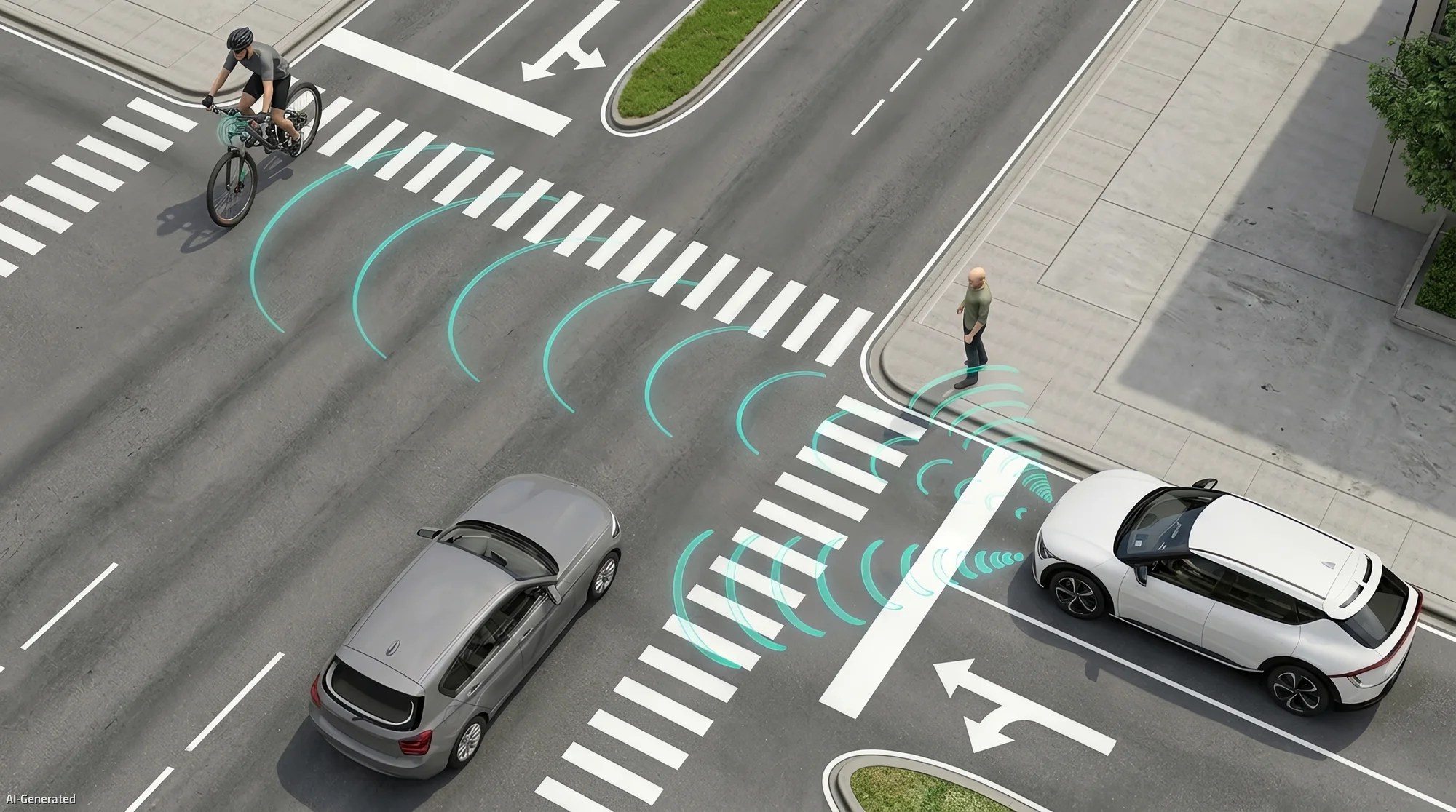
Tire tread degradation causes many road fatalities. However, it remains one of the least monitored factors in real-world driving. A new generation of software-based systems is changing this. These tools estimate tire wear by processing existing vehicle data. They require no additional hardware.
What Happened
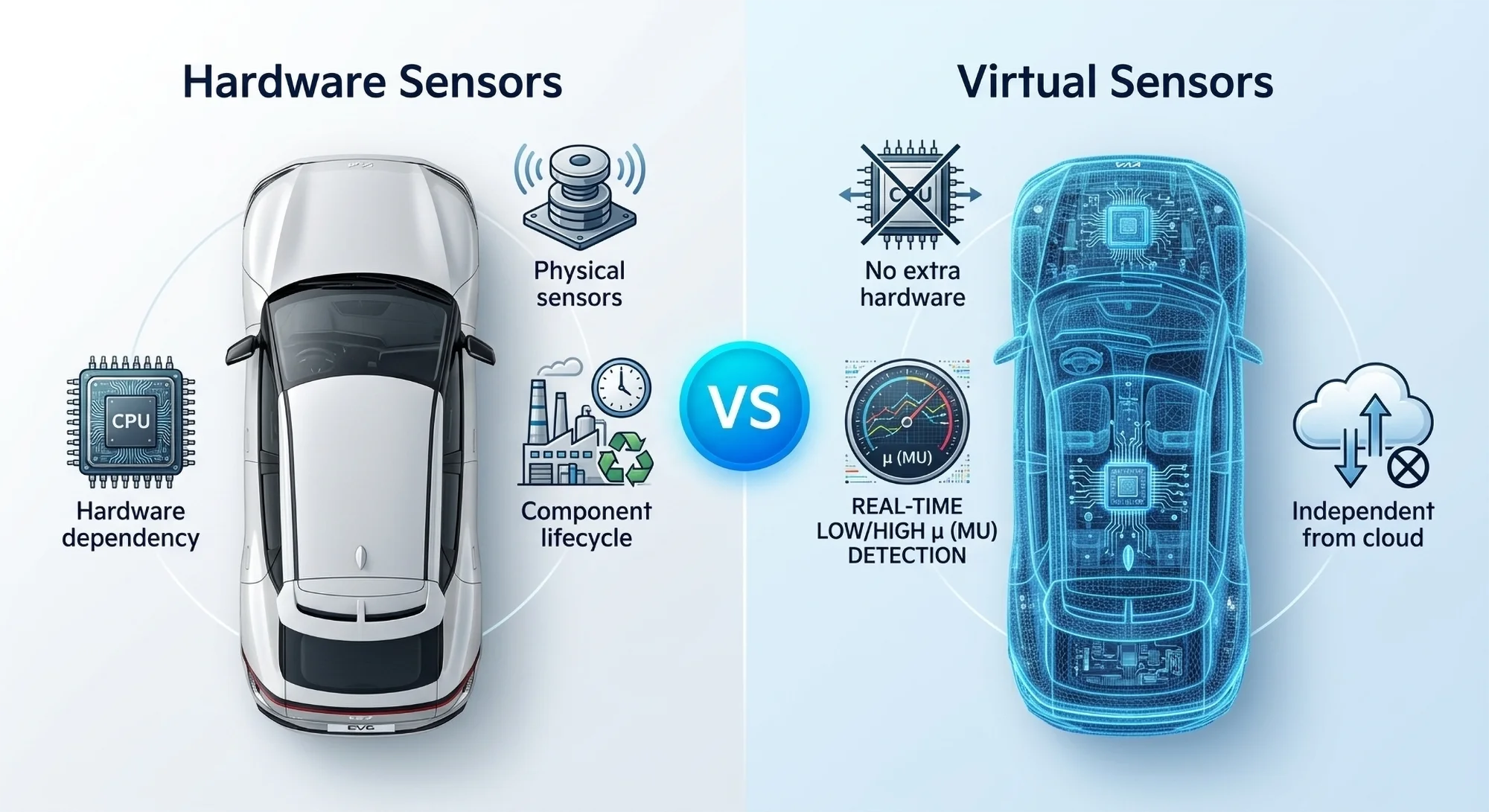
The automotive industry is moving toward Software-Defined Vehicles (SDVs). In these cars, software virtualizes functions that once needed dedicated hardware. This includes pressure sensors and wear indicators.
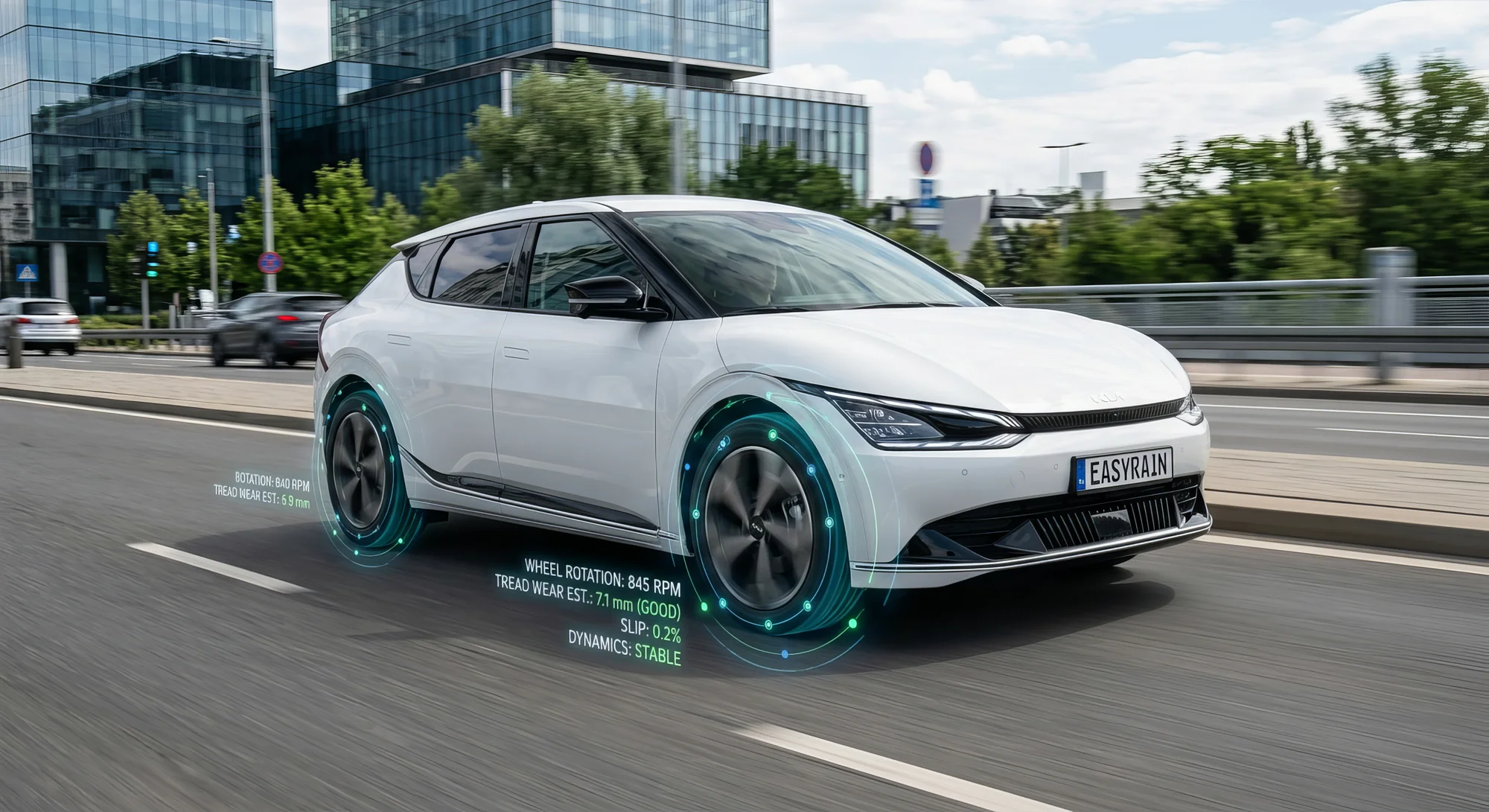
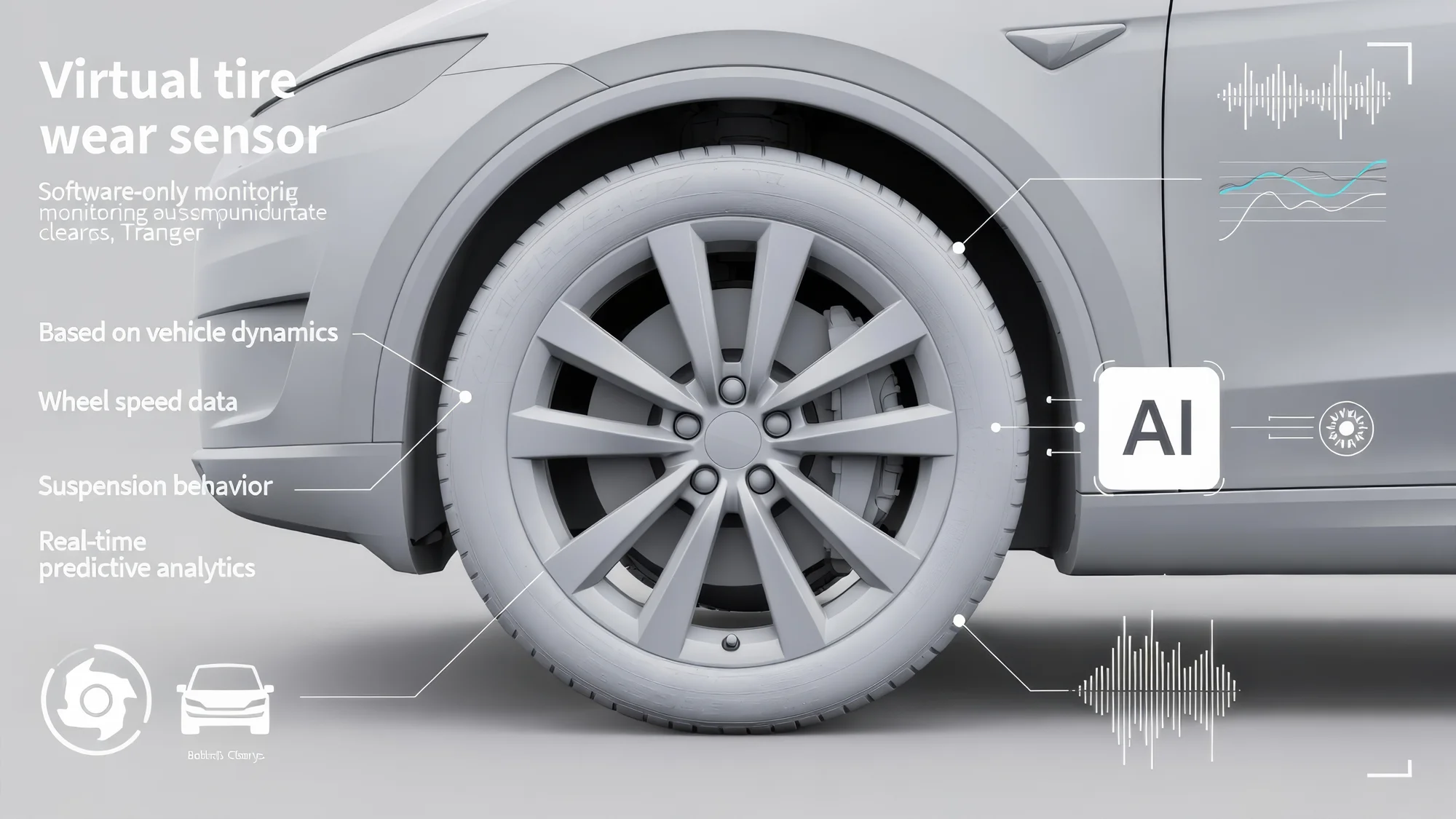
In the tire health sector, virtual sensors analyze data from the CAN bus. They process wheel speed, RPM, steering angle, and load to estimate tread depth. This approach removes the need for hardware that wears out or costs more. It also provides continuous monitoring instead of simple failure alerts.
A peer-reviewed evaluation of machine-learning-based virtual sensor algorithms found that integrating vehicle speed, internal tire pressure, and load data can achieve an average tread depth prediction error of 0.21 mm. This level of accuracy is sufficient to inform safety-critical decisions in ADAS systems, including emergency braking calibration and stability control thresholds.
Why It Matters
The safety case for high-precision wear monitoring is well-established. The National Highway Traffic Safety Administration (NHTSA) estimates approximately 11,000 tire-related motor vehicle crashes per year in the United States, resulting in over 600 deaths annually. Vehicles with tread depths between 0 and 2/32 of an inch are approximately three times more likely to be involved in a tire-related crash than those with adequate tread.
Standard tire pressure systems (TPMS) do not measure wear. Most drivers rely on visual inspections. This reactive model fails to warn drivers before a danger threshold. Virtual sensors change this. They offer a predictive model that alerts the driver before the tread reaches a critical depth.
This transition helps advanced safety systems (ADAS). Safety modules calibrate braking and stability based on tire grip. Worn tires reduce friction. Without real-time wear data, these systems become less reliable. Platforms like Easyrain’s DAI Virtual Sensor Platform fix this gap. DAI tracks tire wear by analyzing wheel behavior. It offers 0.5 mm accuracy without external hardware or road sensors.
Key Data
- ~11,000 tire-related crashes per year in the U.S., according to NHTSA
- 600+ annual U.S. fatalities linked to tire failures
- 3× higher crash risk for vehicles with tread depth 0–2/32″ compared to those with adequate tread
- 0.21 mm average prediction error achieved by ML-based virtual sensor algorithms in peer-reviewed testing
- CAN bus signals used: wheel speed, RPM, steering angle, vertical load, braking intensity
Market Context
Fleet operators find virtual sensing useful. The model lets managers schedule maintenance based on actual wear. This reduces downtime and cuts costs.
The SDV shift supports this trend. Vehicles now centralize computing and use wireless updates. This makes adding software sensors cheaper than adding hardware. Automakers can lower production costs while improving diagnostics.
Cloud platforms add more value. Easyrain’s ERC Cloud Infrastructure aggregates data from entire fleets. It provides centralized monitoring and predictive maintenance. This data can even help cities plan infrastructure by identifying roads that cause faster tire wear.
When tire wear reaches a critical threshold on wet or low-grip roads, the safety margin narrows sharply. In those scenarios, systems operating at the grip-restoration layer – such as Easyrain’s AIS Active Safety System, the first active system to counter aquaplaning by eliminating the water film ahead of the tires – become directly relevant, filling the gap where ABS and ESC alone cannot restore control.
What to Expect
The integration of tire wear data into ADAS logic is expected to deepen as regulatory pressure around automated driving increases. Euro NCAP and NHTSA assessment protocols already consider tire performance as a variable in safety ratings; virtual wear sensing provides a continuous, in-service data stream that static test conditions cannot replicate.
For vehicle manufacturers, the trajectory points toward a unified tire health module: a software layer that consolidates wear, pressure, temperature, and misalignment into a single real-time data stream – delivered without mounting anything on the wheel. The accuracy thresholds demonstrated in current research suggest that the technical case for this transition is already established. What remains is standardization across OEM platforms and regulatory frameworks.