Automotive Safety in 2026: Three Defining Challenges – and Where the Industry Stands
Three distinct forces are converging to reshape vehicle safety in 2026: a wave of EU regulatory mandates, an accelerating cybersecurity threat landscape, and a fundamental overhaul of how vehicles are tested and rated. Each raises different technical demands. Together, they define the direction of the next generation of mobility.
1. The EU General Safety Regulation: What Becomes Mandatory in July 2026
The European Union’s General Safety Regulation (EU) 2019/2144 has been unfolding in phases since 2022. July 2026 marks one of its most significant milestones: a broad set of ADAS features become mandatory across vehicle categories that were previously exempt or on extended timelines.
The systems now required as standard equipment include:
- Event Data Recorders (EDR): Often described as automotive “black boxes,” EDRs must capture pre-crash parameters such as vehicle speed, braking force, and seatbelt status to support accident reconstruction.
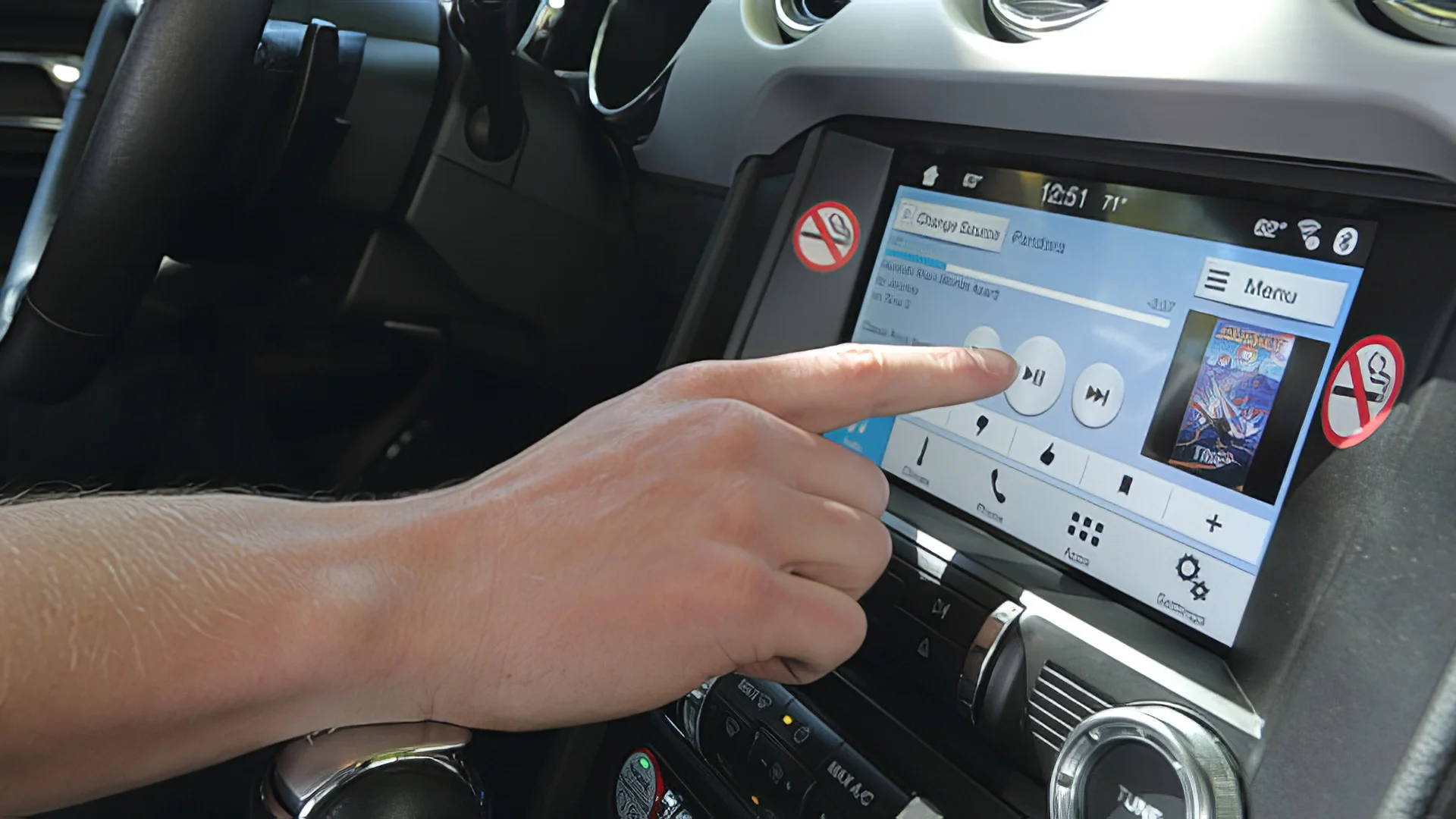
- Advanced Driver Distraction Warning (ADDW): In-cabin cameras and sensors must monitor driver eye movement and head position to detect drowsiness or inattention and issue timely alerts.
- Adaptive Brake Lights: Vehicles must be equipped with brake lights that flash rapidly during hard braking above 50 km/h, automatically switching to hazard lights if the vehicle comes to a full stop.
- Alcohol Interlock Interface: Manufacturers must provide a standardized port that allows the installation of an alcohol interlock device, even where use of the device itself is not legally required.
The European Commission’s Road Safety framework frames these requirements as part of a broader strategy to halve road fatalities by 2030.
Where Easyrain Fits
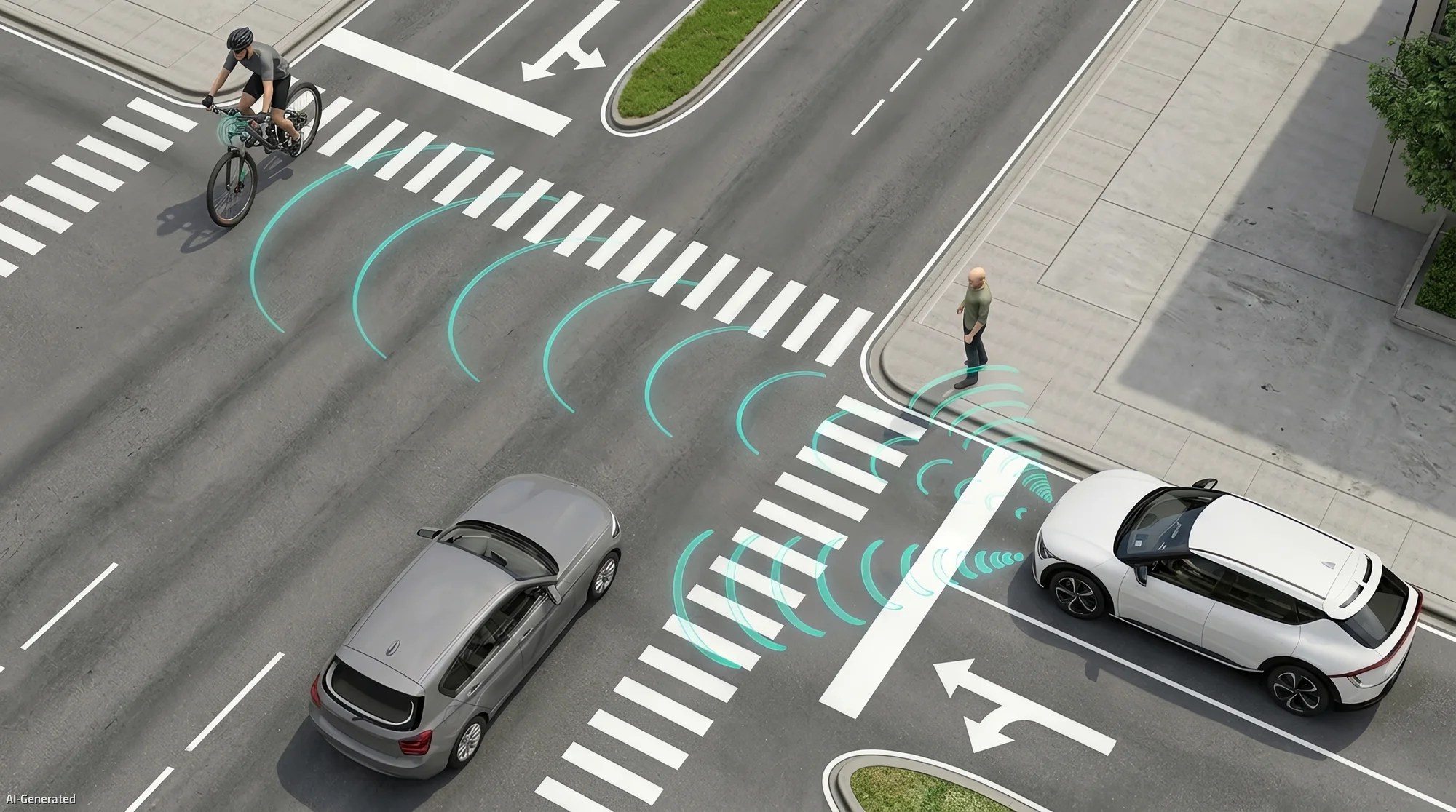
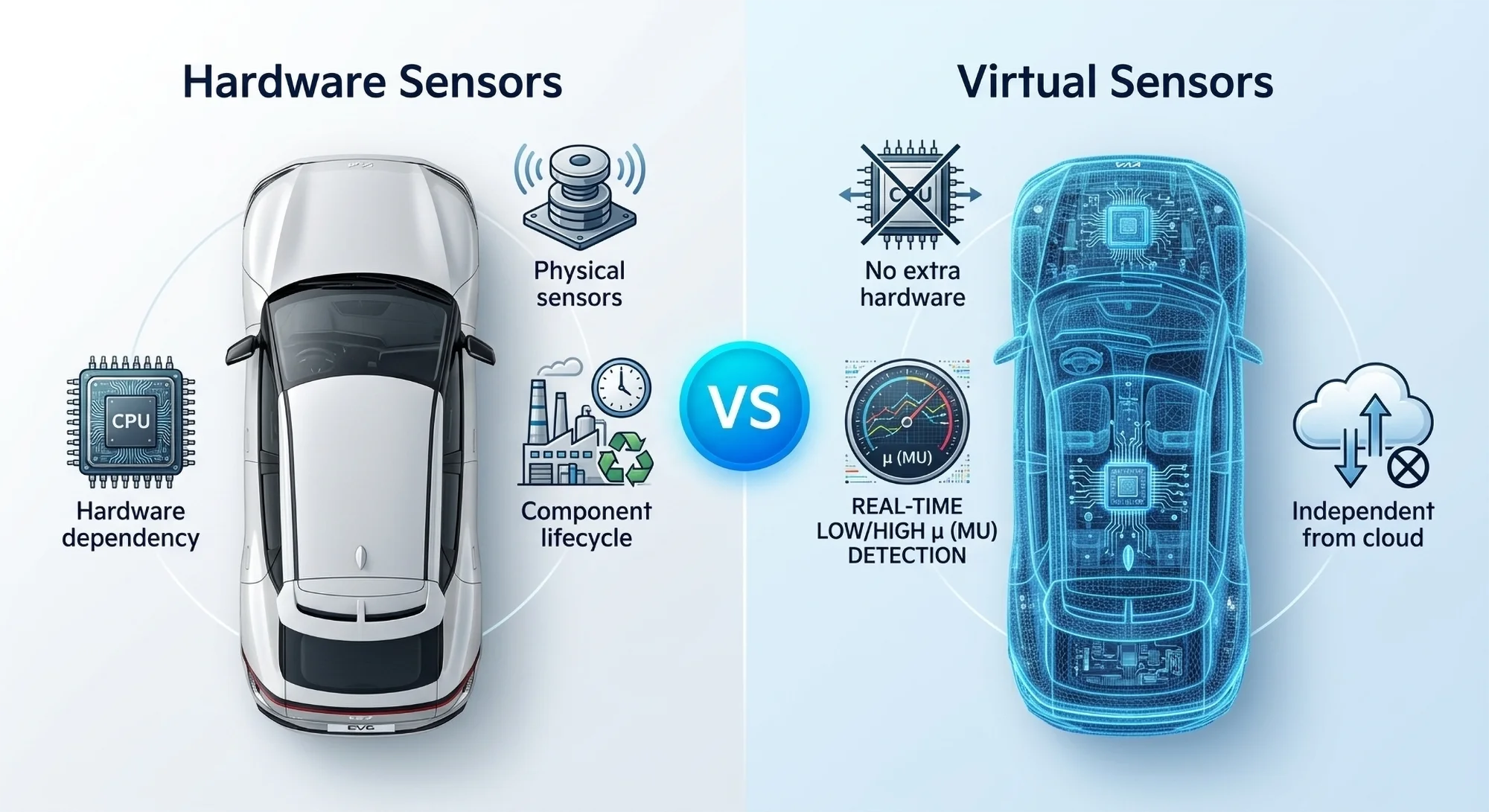
The ADDW mandate assumes that perception systems can reliably detect behavioral degradation. What those systems often miss is the physical context beneath the vehicle: a rain-slicked road, a patch of ice, a section of worn asphalt. Easyrain’s DAI – Virtual Sensor Platform addresses precisely this gap. Operating without cameras, radar, or LiDAR, DAI reads road surface conditions in real time by analyzing vehicle dynamics – detecting aquaplaning, snow, ice, and grip loss in milliseconds, without dependence on cloud services, internet connectivity, or artificial intelligence. It adds a haptic layer to existing visual perception stacks, directly supporting the reliability of mandatory ADAS systems in adverse conditions.
2. Automotive Cybersecurity: A Threat Landscape Growing Faster Than Defenses
The shift toward Software-Defined Vehicles (SDVs) and the expansion of onboard APIs have fundamentally changed the attack surface of the modern automobile. According to Upstream Security’s annual Global Automotive and Smart Mobility Cybersecurity Report, ransomware incidents targeting vehicles and connected mobility services more than doubled in 2025 compared to the previous year, accounting for 44% of all reported incidents. The 2026 edition of the report – now in its eighth year – analyzed 494 publicly disclosed cybersecurity incidents from 2025 alone, and identified AI-driven architectures and expanded cloud API surfaces as primary drivers of accelerating risk.
This trajectory poses a structural challenge: the more connected a vehicle becomes, the more entry points it exposes. Backend systems, over-the-air update mechanisms, and fleet management platforms are all potential vectors for coordinated attacks.

Where Easyrain Fits
Easyrain’s DAI – Virtual Sensor Platform is architecturally distinct from cloud-dependent safety systems. It requires no internet connection, no cloud infrastructure, and no AI inference at runtime. All road surface data is processed onboard, at the edge, in milliseconds. This design eliminates an entire class of cybersecurity exposure: there is no remote command channel to compromise, no API to exploit, no data stream to intercept. In an industry navigating a difficult trade-off between connectivity and security, DAI’s hardware-free, offline-native approach represents a deliberate architectural choice with direct implications for vehicle resilience.
3. Euro NCAP 2026: Testing That Follows the Vehicle Into the Real World
The Euro NCAP 2026 testing protocols mark the most substantial revision to the rating framework in over a decade. The core shift is methodological: the organization has moved from a predominantly track-based, laboratory-controlled evaluation model toward a structure that assesses vehicles across what it calls the “Four Stages of Safety” – Safe Driving, Crash Avoidance, Crash Protection, and Post-Crash Safety.
The most consequential change for ADAS development is the introduction of on-road evaluation. ADAS systems are now tested for performance in real traffic, on public roads – not just on controlled test tracks. This is a direct response to the well-documented phenomenon of driver disengagement: systems that produce excessive nuisance alerts or intervene inappropriately are routinely deactivated by drivers, negating any safety benefit. The 2026 protocols also introduce rigorous Driver State Monitoring (DSM) requirements, evaluating how effectively a vehicle detects and responds to drowsiness, distraction, or impairment. The Euro NCAP Vision 2030 roadmap signals that this emphasis on real-world fidelity will only intensify in subsequent protocol cycles.
Where Easyrain Fits
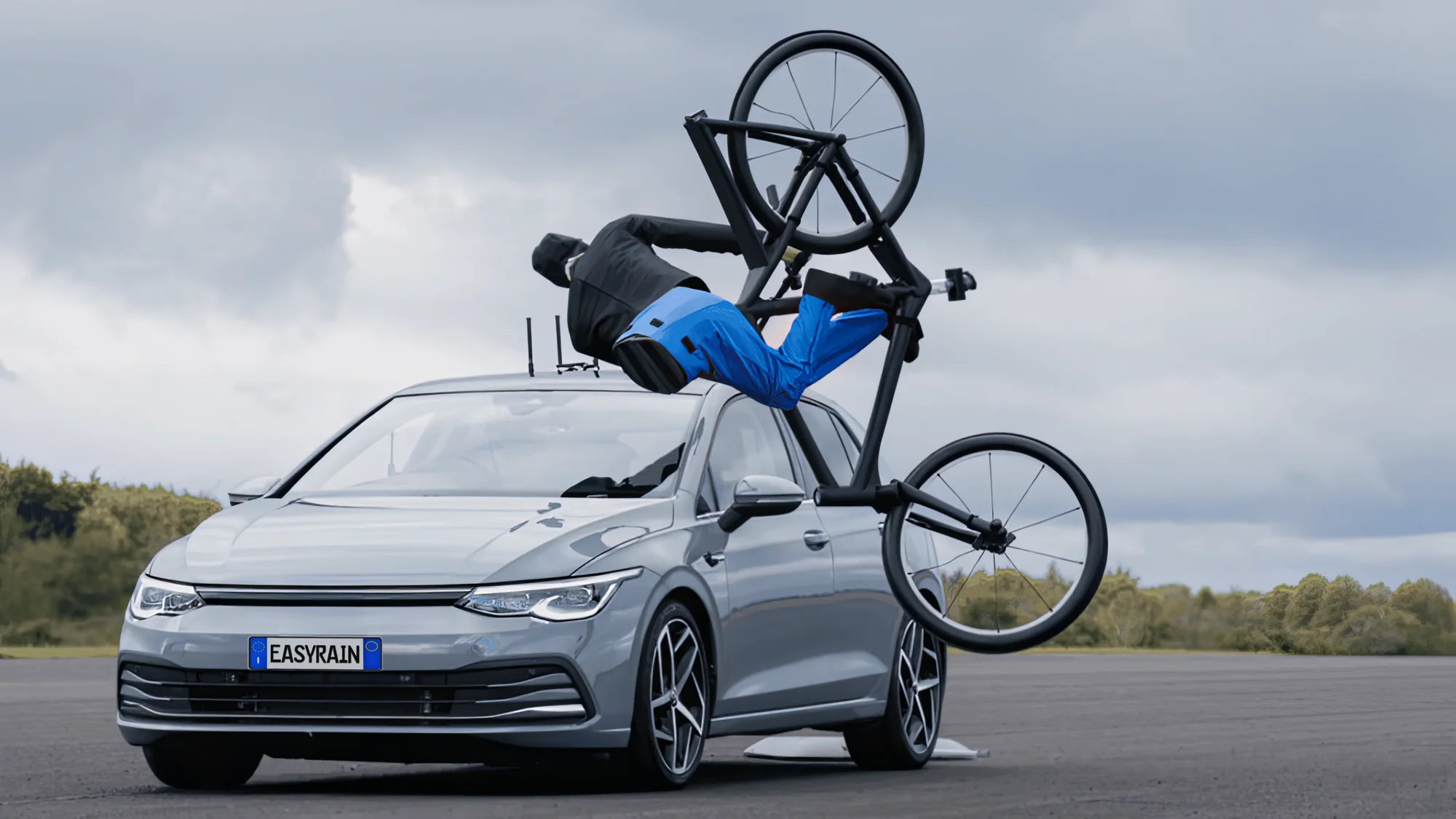
Euro NCAP’s Crash Avoidance pillar now explicitly rewards systems that work in conditions where conventional sensors are degraded – which is precisely the operating environment for Easyrain’s AIS – Active Safety System. AIS is described as the world’s first active system that physically restores grip before control is lost. By intelligently spraying pressurized fluid ahead of the tires, it eliminates the water film responsible for aquaplaning – measurably reducing braking distance by 20% on heavy wet surfaces and increasing lateral traction by 225% in aquaplaning conditions. The system weighs as little as 2.7 kg in its lightest configuration and is designed for seamless OEM integration.
Beyond the individual vehicle, Easyrain’s ERC – Cloud Infrastructure aggregates real-time road intelligence across fleets and geographies, creating dynamic hazard maps that benefit all connected vehicles. This collective safety layer – covering grip data, aquaplaning alerts, and road surface conditions – aligns directly with the systemic, data-driven approach that Euro NCAP’s evolving protocols are designed to reward.
Conclusion
The three major forces shaping automotive safety in 2026 – mandatory ADAS legislation, an escalating cybersecurity threat environment, and testing protocols built around real-world performance – are not parallel developments. They are converging on the same fundamental challenge: ensuring that safety systems function reliably in conditions that have historically been outside their design envelope. The regulatory, threat, and evaluation landscapes are all moving in the same direction. The technical responses that will prove durable are those designed for the road as it actually exists, not the road as it appears in ideal-condition tests.