From Level 4 to Level 5 Autonomous Driving: Why Weather and Road Grip Remain the Biggest Barriers
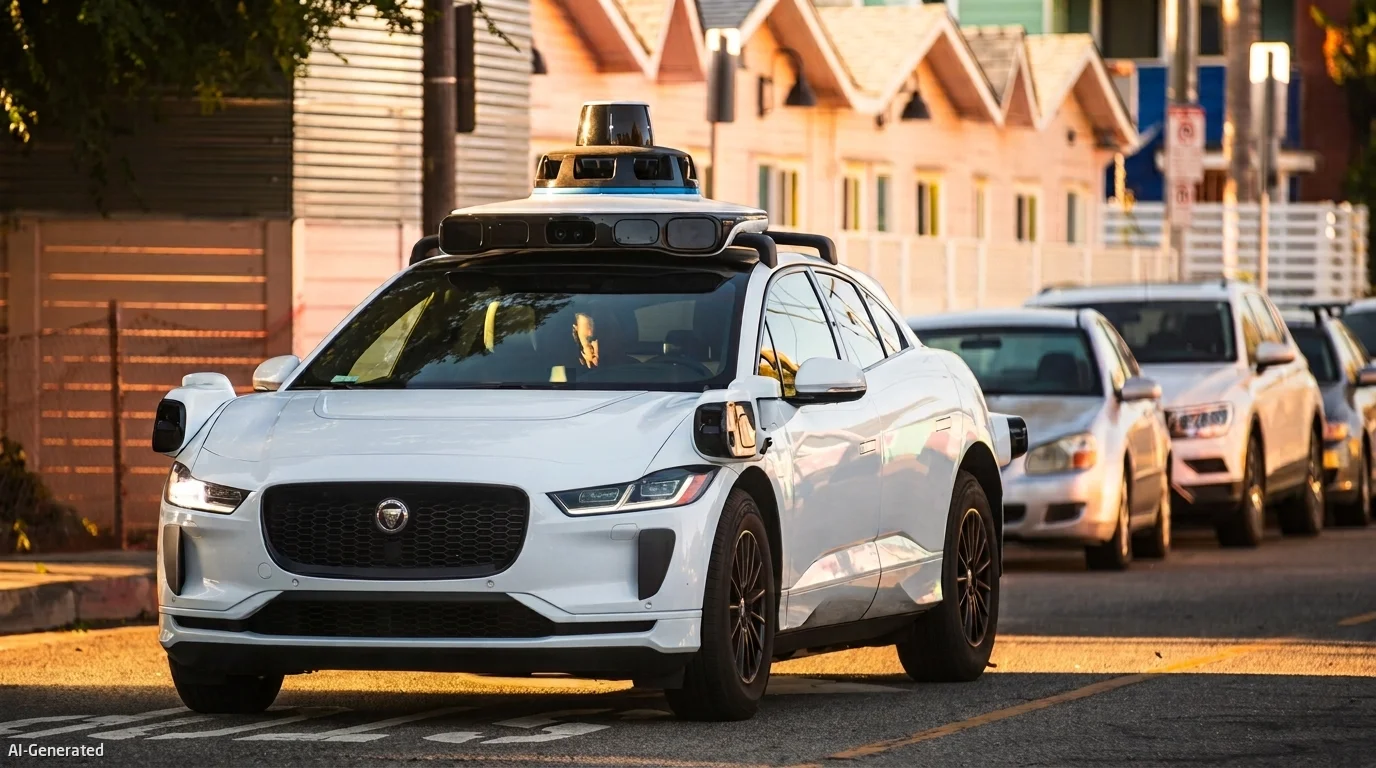
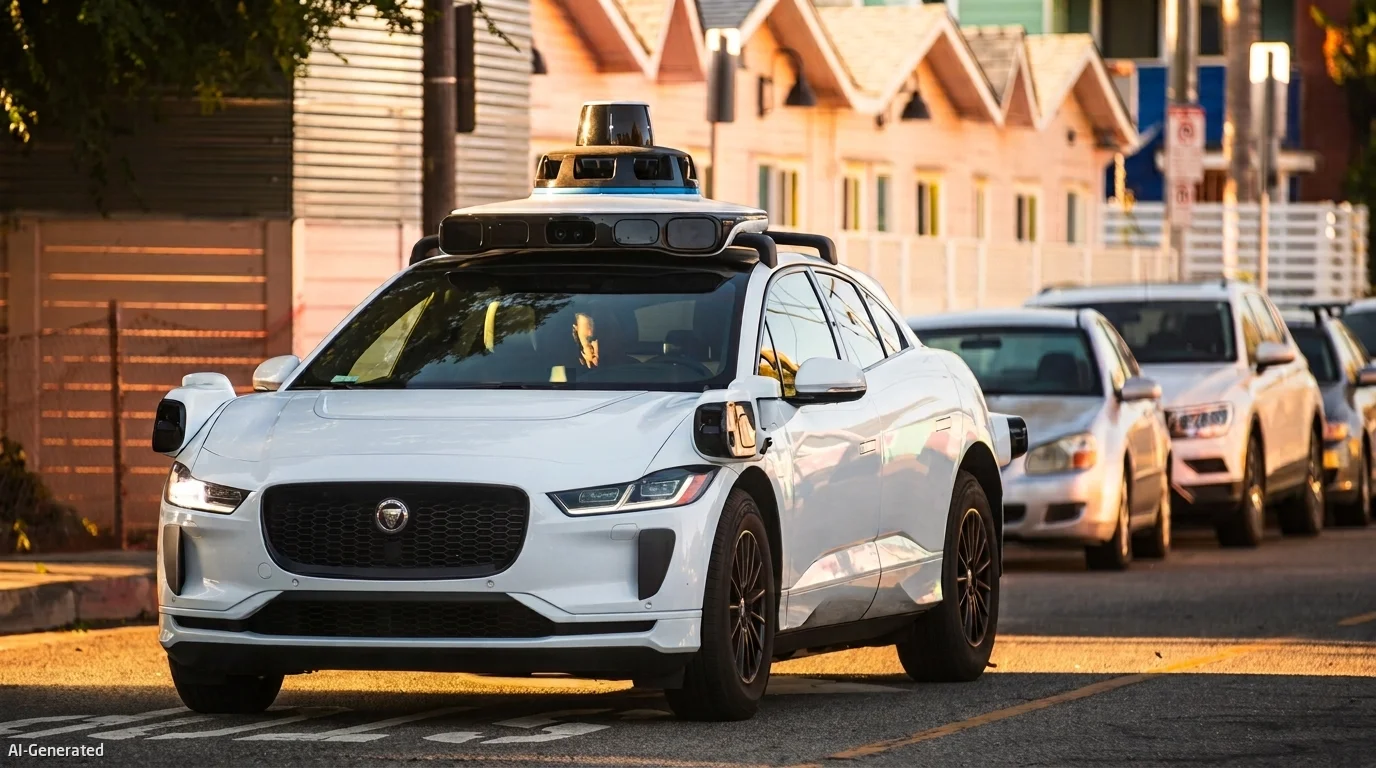
Autonomous vehicles that operate without a human behind the wheel already exist. Waymo runs driverless rides across multiple U.S. cities, and its system handles steering, braking, and decision-making entirely on its own. Yet under the SAE automation framework, that capability is classified as Level 4, not Level 5. The gap between the two levels is not about how well the car drives in a given moment. It is about where and under what conditions it is allowed to drive at all.
Closing that gap requires solving a set of physical problems that current sensor technology cannot address on its own. Chief among them: the inability to detect road surface grip in real time.
What Has Changed in Autonomous Driving
Level 4 systems have matured rapidly. Waymo’s sixth-generation Driver has expanded its capabilities to handle more diverse environments, including extreme winter weather. The company now operates rider-only services in cities with markedly different climates and road layouts.
But every expansion still occurs within a carefully defined perimeter. New cities are mapped in advance. Weather thresholds are set. Routes are validated. When conditions exceed those boundaries – heavy flooding, dense snowfall, unmapped terrain – the system either restricts operations or stops altogether. That perimeter has a formal name: the Operational Design Domain.
Key Data: The Scale of the Weather Problem
What the ODD Defines
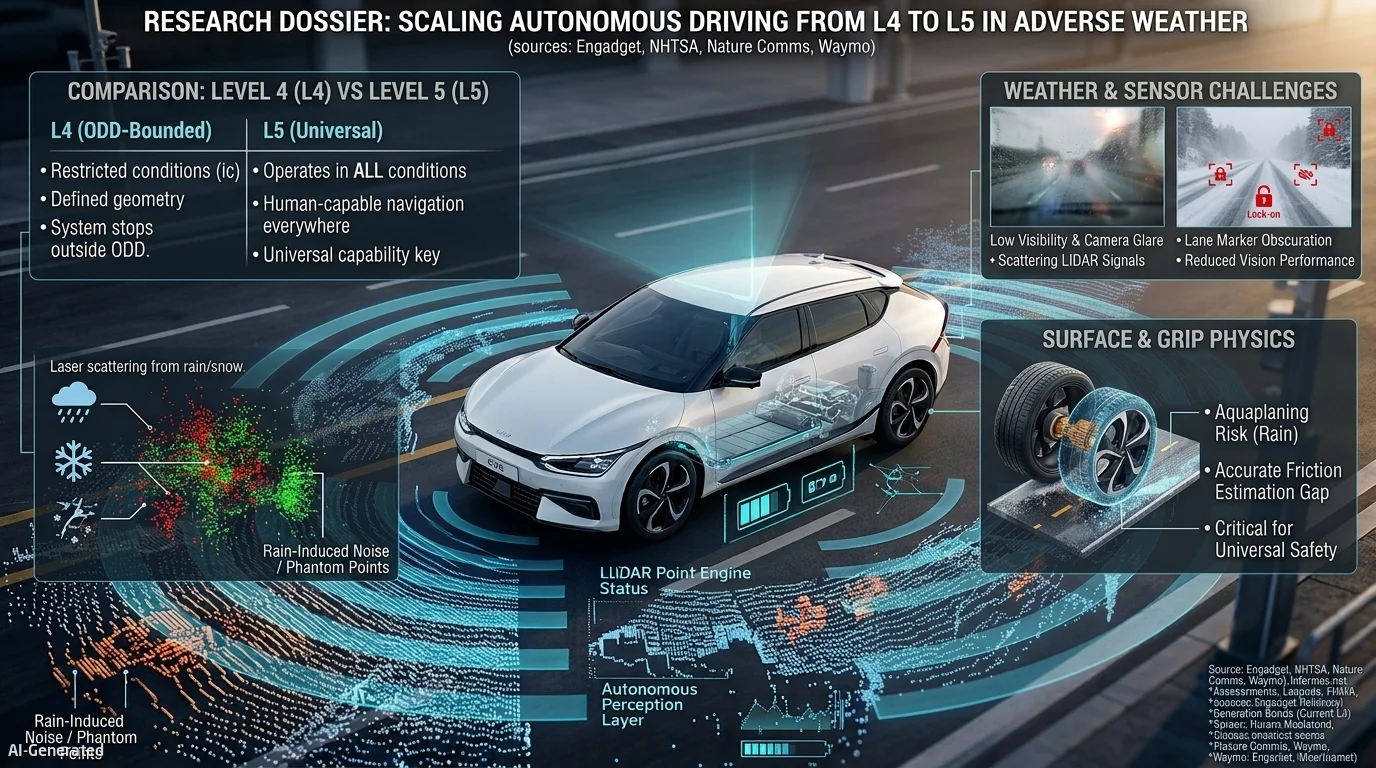
The Operational Design Domain (ODD) is the specific set of conditions under which an automated driving system is designed to function. It covers geography, road types, speed ranges, and weather. At Level 4, the vehicle handles the full driving task within its ODD. At Level 5, the ODD disappears entirely: the system must operate in every condition a competent human driver could navigate.
Why Weather Breaks the Model
Weather-related events account for roughly 21 to 22 percent of all vehicle crashes in the United States each year. Approximately 24 percent of those crashes occur on snowy or icy pavement.
A 2024 study published in Nature Communications, analyzing crash data from 2016 to 2022, found that autonomous vehicles are generally safer than human-driven vehicles in most scenarios. However, they are measurably more accident-prone in adverse weather – particularly rain – and during low-light periods such as dawn and dusk.
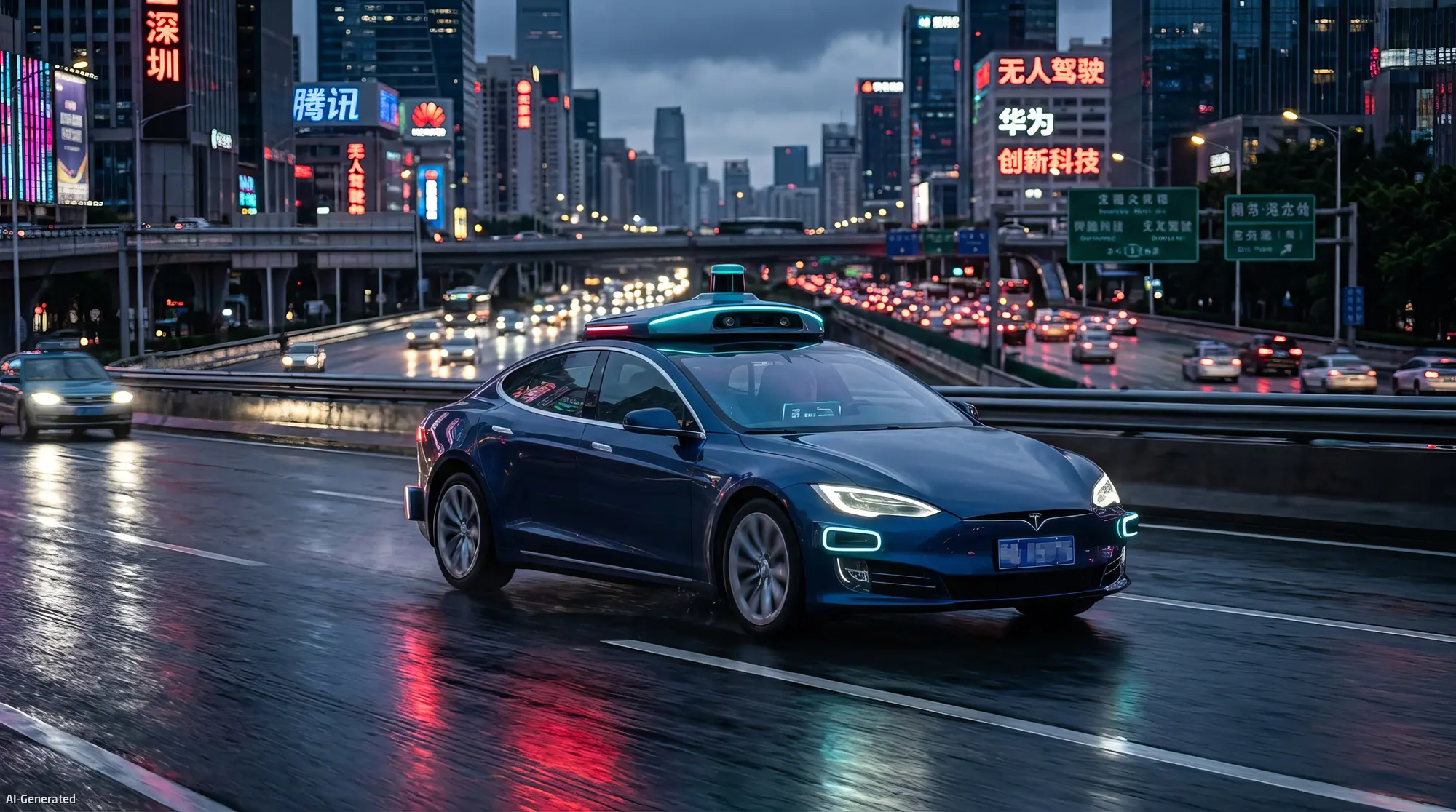
The core issue is sensor degradation. LiDAR lasers scatter off raindrops and snowflakes, generating phantom obstacles. Camera lenses become obstructed, and wet-surface glare reduces image quality. Snow covers lane markings, removing the visual references that camera-based navigation depends on. Radar penetrates precipitation more effectively but lacks the resolution to distinguish road clutter from real hazards.
The Grip Gap
Beyond perception, there is a deeper problem: current autonomous sensor suites – LiDAR, cameras, radar – are fundamentally visual or spatial instruments. They can detect that a road surface is wet. They cannot measure how much grip that surface provides.
This is the friction estimation gap. When a vehicle encounters heavy rain and the risk of aquaplaning, or black ice concealed beneath a thin layer of water, it has no reliable way to assess the loss of traction before it happens. A human driver feels the steering lighten or draws on experience to anticipate slippery patches. Autonomous systems lack that tactile feedback loop.
Without real-time grip data, no autonomous system can guarantee safe operation in all weather conditions. This single limitation is one of the primary reasons Level 5 remains a theoretical classification rather than an engineering reality.
The Technical Solution: Closing the Grip Gap with Software
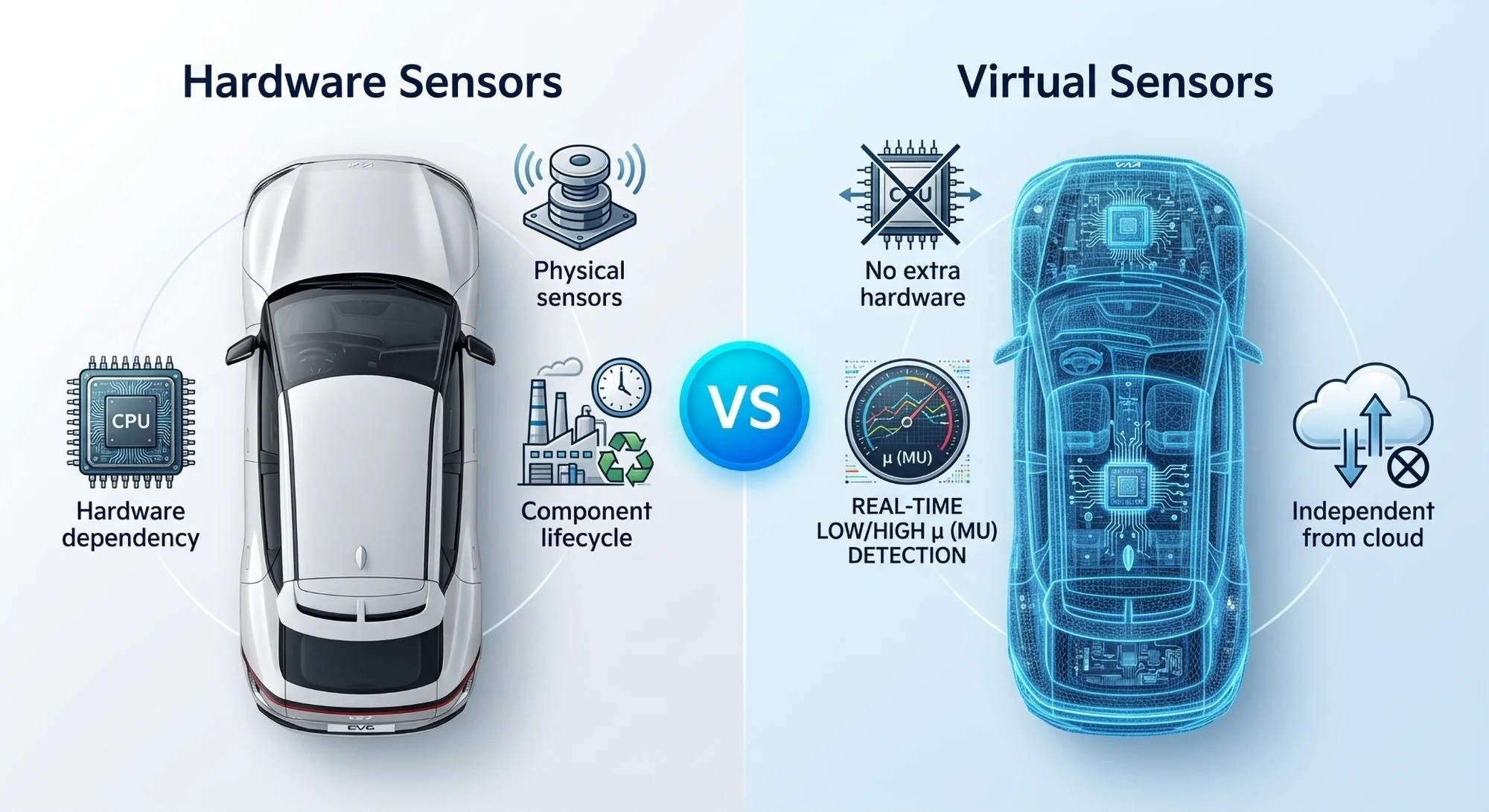
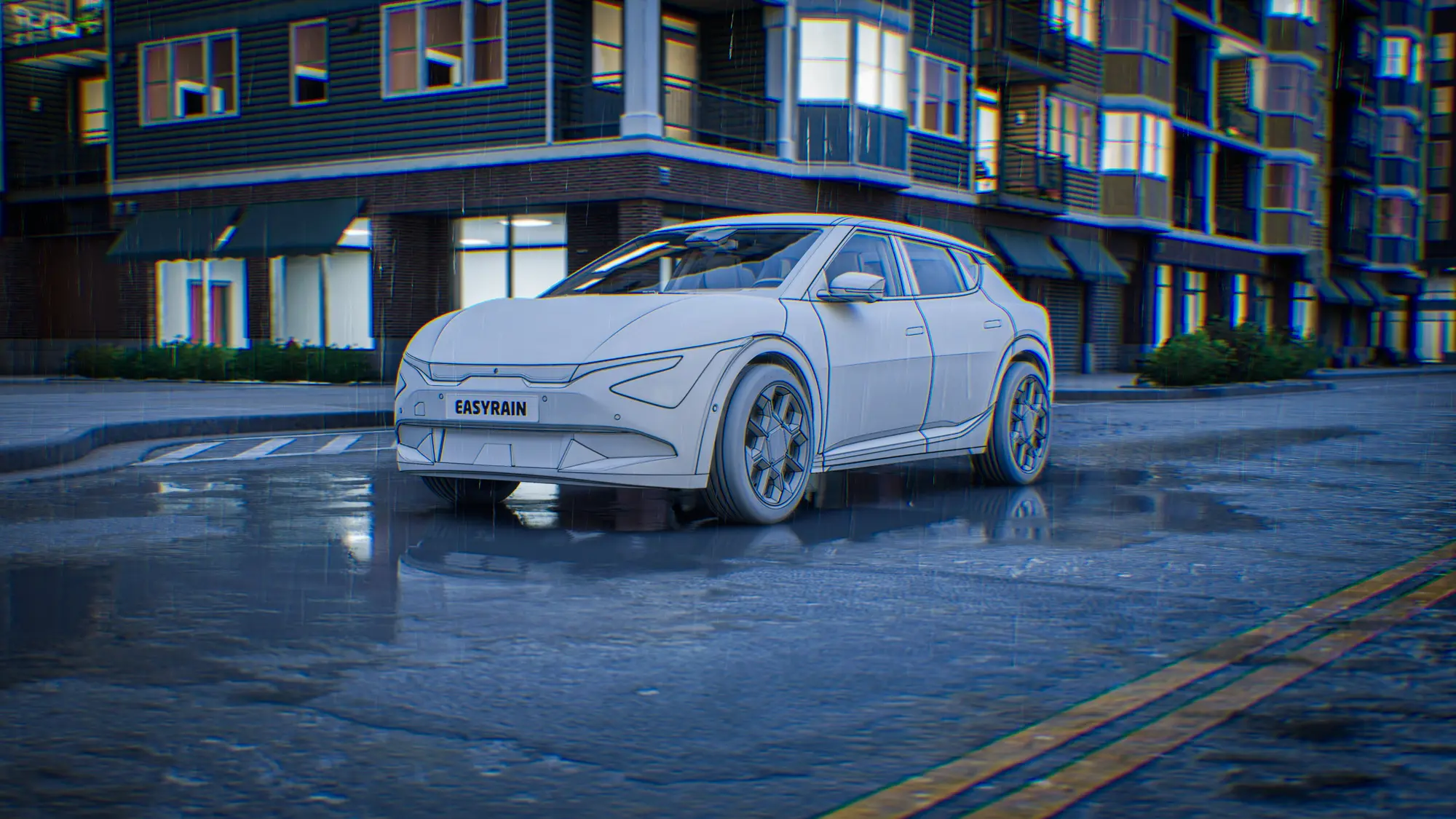
Solving the friction estimation problem does not necessarily require adding new hardware to the vehicle. Easyrain’s DAI (Virtual Sensor Platform) takes a different approach: it uses software-based virtual sensors that analyze existing vehicle dynamics data – wheel speed, steering torque, suspension response – to detect road surface conditions in real time.
DAI identifies partial and full aquaplaning, snow and ice presence, and early grip reduction before tire slip occurs, all within milliseconds. It operates without dependence on tires, internet connectivity, cloud services, or artificial intelligence, which ensures maximum scalability and straightforward integration for carmakers and Tier 1 suppliers.
For autonomous driving systems constrained by their ODD, this data is the missing input. Where LiDAR and cameras can see rain but cannot quantify its effect on traction, DAI provides the exact friction-state information that ADAS and autonomous driving controllers need to make safe decisions. It introduces what Easyrain describes as a haptic sense – the ability to feel the road – to complement the visual perception that current sensor suites rely on.
By supplying real-time grip awareness to vehicle platforms, DAI directly addresses the weather and road-surface limitations that define the boundary between Level 4 and Level 5 autonomy. It enables carmakers to expand their ODD into conditions that current systems must avoid, moving autonomous driving closer to operation in every environment.
The Easyrain AIS (Active Safety System) extends this capability further: when DAI detects critical grip loss, AIS can actively restore traction by eliminating the water layer ahead of the tires, reducing braking distance on heavy wet surfaces by 20 percent and increasing lateral traction in aquaplaning conditions by 225 percent. Combined with the ERC cloud platform, which aggregates and shares real-time road condition data across fleets and cities, the system creates a complete infrastructure for weather-aware autonomous mobility.